
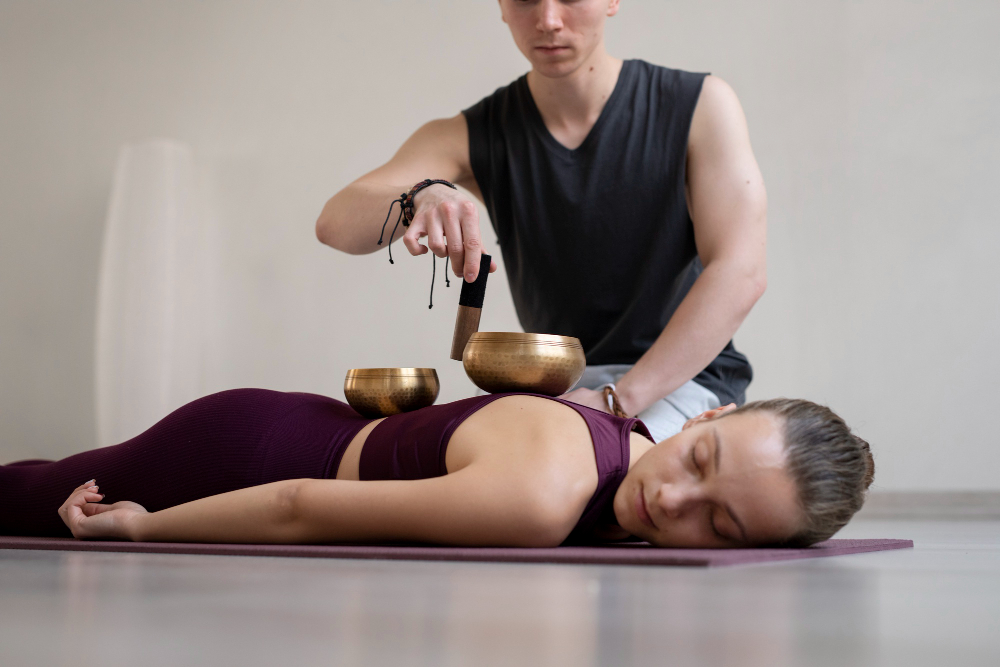
Introduction to Ayurveda for Sciatica
Sciatica is a type of nerve pain that starts in the lower back and travels down the leg. Many people look for gentle ways to ease this pain. Ayurveda for sciatica uses natural methods to help the body heal. In Ayurveda, the focus is on balancing the body, mind, and spirit. This ancient Indian system offers herbal remedies, therapies, and lifestyle tips. As a result, many people find relief from nerve pain using these natural approaches.
What is Sciatica?
Sciatica is a condition where the sciatic nerve gets irritated or pressed. The sciatic nerve is the largest nerve in the body. It runs from the lower back through the hips and down each leg. When this nerve is affected, you may feel pain, tingling, or numbness. Often, the pain starts in the lower back and moves down one leg. Sometimes, it can make walking or sitting hard. According to the World Health Organization (WHO), back pain is a leading cause of disability worldwide.
How Ayurveda Explains Sciatica
In Ayurveda, sciatica is called “Gridhrasi.” This name comes from the way a person may walk when in pain. Ayurveda believes that sciatica happens when there is an imbalance in the body’s energies, called doshas. Most often, the vata dosha (which controls movement and nerves) is out of balance. Sometimes, the kapha dosha (which controls fluids and structure) also plays a role. Therefore, Ayurvedic treatment for nerve pain focuses on bringing these doshas back into balance.
Common Symptoms of Sciatica
Sciatica can cause a range of symptoms. While the pain may be mild for some, others feel sharp or burning pain. Common symptoms include:
Because these symptoms can affect daily life, many people seek natural sciatica pain relief.
Ayurvedic Causes and Imbalances Linked to Sciatica
According to Ayurveda, sciatica often starts with an imbalance in the vata dosha. This imbalance can be caused by:
When vata is disturbed, it can cause dryness and stiffness in the nerves and muscles. As a result, pain and discomfort may follow. Sometimes, a build-up of kapha can add heaviness or swelling.
Ayurvedic Diagnosis Methods
Ayurvedic doctors use several ways to find the root cause of sciatica. First, they ask about your symptoms and daily habits. Next, they check your pulse, tongue, and eyes. They may also look at your skin and ask about your digestion. Because each person is different, Ayurveda creates a treatment plan just for you. Some Ayurvedic clinics in your city or region may offer special tests to help guide your care.
Ayurvedic Treatments for Sciatica
Ayurvedic remedies for sciatica focus on easing pain and balancing doshas. These treatments often include:
Because these treatments use natural ingredients, many people find them gentle and effective. Always talk to a trained Ayurvedic doctor before starting any new therapy.
Lifestyle and Dietary Guidance in Ayurveda for Sciatica
Ayurveda for lower back pain also includes changes in daily habits. For example, eating warm, cooked foods can help balance vata. Drinking herbal teas like ginger or turmeric may reduce pain. Other helpful tips include:
Because lifestyle changes can support healing, many Ayurvedic clinics offer personalized plans.
Prevention Tips Using Ayurveda
While sciatica can be painful, Ayurveda offers ways to help prevent it. You can try these simple tips:
By following these Ayurvedic prevention tips, you may lower your risk of sciatica and enjoy better nerve health. Consult Muzaffar Ali for ayurvedic treatment.