
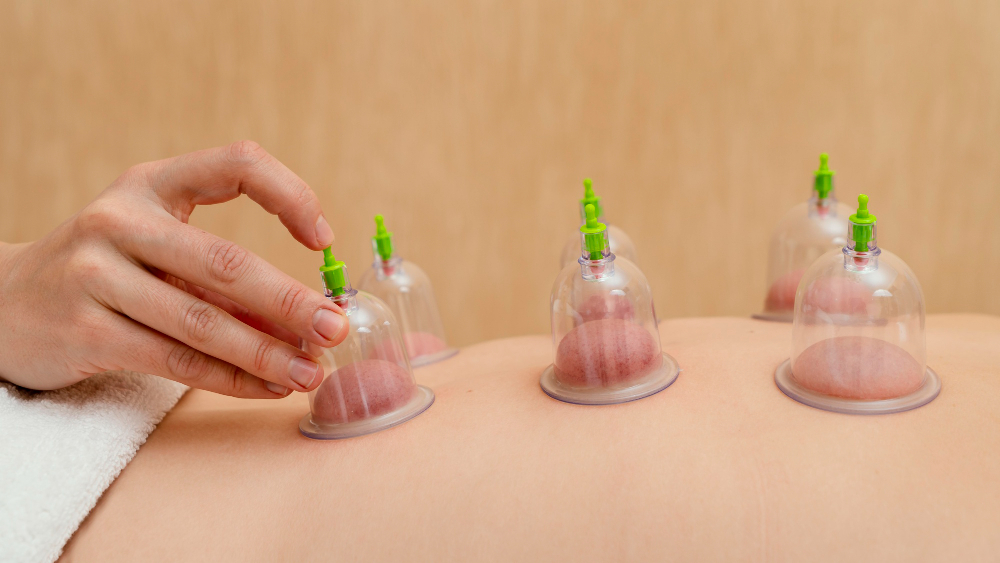
Many people look for natural ways to ease pain and improve movement. Cupping therapy in Ayurvedic musculoskeletal care is one such method. This ancient practice blends traditional cupping with Ayurveda’s holistic approach. As a result, it is gaining popularity for pain relief and wellness. In many cities, Ayurvedic cupping therapy offers a gentle option for those with joint or muscle pain.
What Is Cupping Therapy in Ayurveda?
Cupping therapy is an old healing method. In Ayurveda, it is called “Raktamokshana.” Here, therapists use special cups to create suction on the skin. This process is believed to draw out toxins and boost blood flow. While traditional cupping uses glass or bamboo cups, Ayurvedic methods may use modern silicone cups as well. Because Ayurveda focuses on balance, cupping is often part of a larger treatment plan. For example, it may be combined with massage, herbal oils, or diet advice.
Common Musculoskeletal Conditions Treated with Cupping
Ayurvedic cupping therapy can help with many musculoskeletal problems. These issues affect the muscles, joints, and bones. Some common conditions treated include:
Additionally, some people use cupping for chronic pain or to speed up recovery after exercise. However, it is important to talk to a qualified practitioner before starting any new therapy.
How Cupping Therapy Works: Ayurvedic Principles
According to Ayurveda, health depends on the balance of three energies, called doshas. When these are out of balance, pain or illness may occur. Cupping therapy aims to restore this balance. First, the therapist places cups on certain points of the body. Then, suction pulls the skin upward. This action is thought to:
Because Ayurveda treats the whole person, cupping is often used with other therapies. For instance, herbal oils or gentle stretching may be added to enhance results.
Benefits of Cupping Therapy for Musculoskeletal Health
Many people report feeling better after cupping therapy. While results can vary, some common benefits include:
Furthermore, cupping therapy is often seen as a natural way to manage pain. It does not rely on medicines or surgery. For those seeking holistic wellness, this can be appealing. However, more research is needed to fully confirm all benefits.
Safety, Risks, and Contraindications
Cupping therapy is usually safe when done by a trained Ayurvedic practitioner. Yet, some mild side effects can occur. For example, you may notice:
However, cupping is not for everyone. You should avoid cupping if you:
Always tell your practitioner about your health history before starting. For extra safety, choose a provider who uses clean equipment and follows proper hygiene.
What to Expect During an Ayurvedic Cupping Session
Before your session, the practitioner will ask about your health and symptoms. Next, you will lie down in a comfortable position. The therapist places cups on specific points, often on the back or shoulders. Suction is created by either heating the air inside the cup or using a pump. The cups stay in place for 5 to 15 minutes. During this time, you may feel a gentle pulling or warmth. Afterward, the therapist removes the cups and may massage the area with herbal oils. Most people feel relaxed and refreshed after the session.
Evidence and Research: What Do Studies Say?
Several studies have looked at cupping therapy for pain relief. According to the National Institutes of Health, some research shows that cupping may help reduce pain and improve movement. In addition, a review in the Journal of Traditional and Complementary Medicine found that cupping may be useful for back and neck pain. However, more large studies are needed to confirm these results. The World Health Organization notes that cupping is safe when done by trained professionals. Still, it is important to use cupping as part of a complete care plan, not as a replacement for medical treatment.
Tips for Choosing a Qualified Ayurvedic Practitioner
Choosing the right practitioner is key to safe and effective cupping therapy. Here are some tips:
In many areas, you can find Ayurvedic cupping therapy clinics that follow these standards. Always choose a provider who listens to your needs and explains each step clearly.
Conclusion
For safe and effective cupping therapy, consult Dr. Muzaffar Ali at our clinic. Our team can guide you on the best options for your musculoskeletal health.