
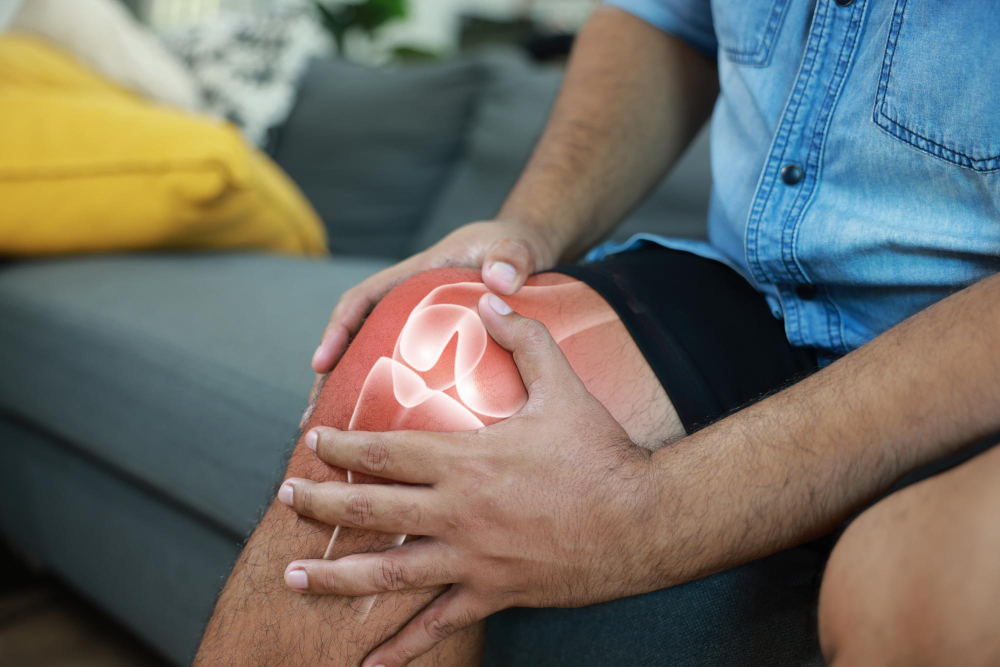
What is Janu Sandhivata?
Janu Sandhivata is a term from Ayurveda that describes knee pain and stiffness. In Ayurveda, “Janu” means knee, while “Sandhivata” refers to joint problems caused by an imbalance of the Vata dosha. Many people experience knee pain as they age. However, knee pain can also affect younger adults due to injury or lifestyle factors. In cities like Mumbai and Delhi, where people lead busy lives, knee pain is becoming more common. Janu Sandhivata often matches what modern medicine calls osteoarthritis of the knee. But Ayurveda looks at the problem in a unique way, focusing on natural healing and balance.
Common Symptoms of Janu Sandhivata
People with Janu Sandhivata may notice several signs. Early detection helps in better management. For example, you may feel:
As the condition progresses, these symptoms can affect daily life. Therefore, it is important to seek help early.
Causes and Risk Factors
There are many reasons why Janu Sandhivata develops. While aging is a major factor, other causes also play a role. For instance, injury to the knee can lead to joint problems later. Additionally, being overweight puts extra stress on the knees. Some people have a family history of joint pain. In Ayurveda, poor digestion, lack of exercise, and eating cold or dry foods can increase Vata, leading to joint issues. Furthermore, sitting for long periods or overusing the knee may raise your risk.
Understanding these causes helps in choosing the right treatment and prevention methods.
How Janu Sandhivata is Diagnosed
Doctors use several steps to diagnose Janu Sandhivata. First, they ask about your symptoms and medical history. Next, they examine your knee for swelling, tenderness, and movement. Sometimes, X-rays or other scans show changes in the joint. In Ayurveda, experts also check your pulse and look for signs of Vata imbalance. Early diagnosis is important because it can prevent further damage. According to the World Health Organization, early treatment of joint pain leads to better outcomes.
Ayurvedic Management and Treatment Approaches
Ayurveda offers natural remedies for knee pain and stiffness. Treatment focuses on balancing the Vata dosha and improving joint health. For example, herbal oils like Mahanarayan oil are used for massage. This helps reduce pain and swelling. Panchakarma therapies, such as Janu Basti (oil pooling on the knee), are also common. In addition, Ayurvedic herbs like Ashwagandha, Guggulu, and Shallaki support joint function. Doctors may suggest:
However, it is important to consult a qualified Ayurvedic doctor before starting any new treatment. Combining Ayurveda with modern care can provide better relief for many people.
Lifestyle and Dietary Guidance
Making simple changes in daily life can help manage Janu Sandhivata. For instance, eating warm, cooked foods supports digestion and reduces Vata. Drinking enough water keeps joints healthy. In addition, regular gentle exercise, like walking or yoga, maintains knee strength. Ayurveda often recommends avoiding cold, dry, or processed foods. Instead, choose foods rich in healthy fats, such as ghee and sesame oil. Furthermore, keeping a healthy weight reduces stress on the knees. Good sleep and stress management also support joint health.
Prevention Tips for Knee Pain and Stiffness
Preventing knee pain is possible with a few simple steps. First, maintain a healthy weight to lower joint stress. Next, stay active but avoid overuse or sudden movements. Wearing proper footwear gives better support. In addition, warming up before exercise protects the knees. If you notice any pain or stiffness, rest and seek advice early. Ayurveda also suggests regular oil massage to keep joints flexible. By following these tips, you can support knee health and reduce the risk of Janu Sandhivata.